Zimbabwe's Eastern Highlands: Mist, Mountains and Log Fires in Nyanga
Pine forests, waterfalls and evenings cold enough for a fire. A warm guide to Nyanga, Bvumba and Chimanimani in Zimbabwe's Eastern Highlands.
By BlueRoof · 29 October 2026 · 4 min read
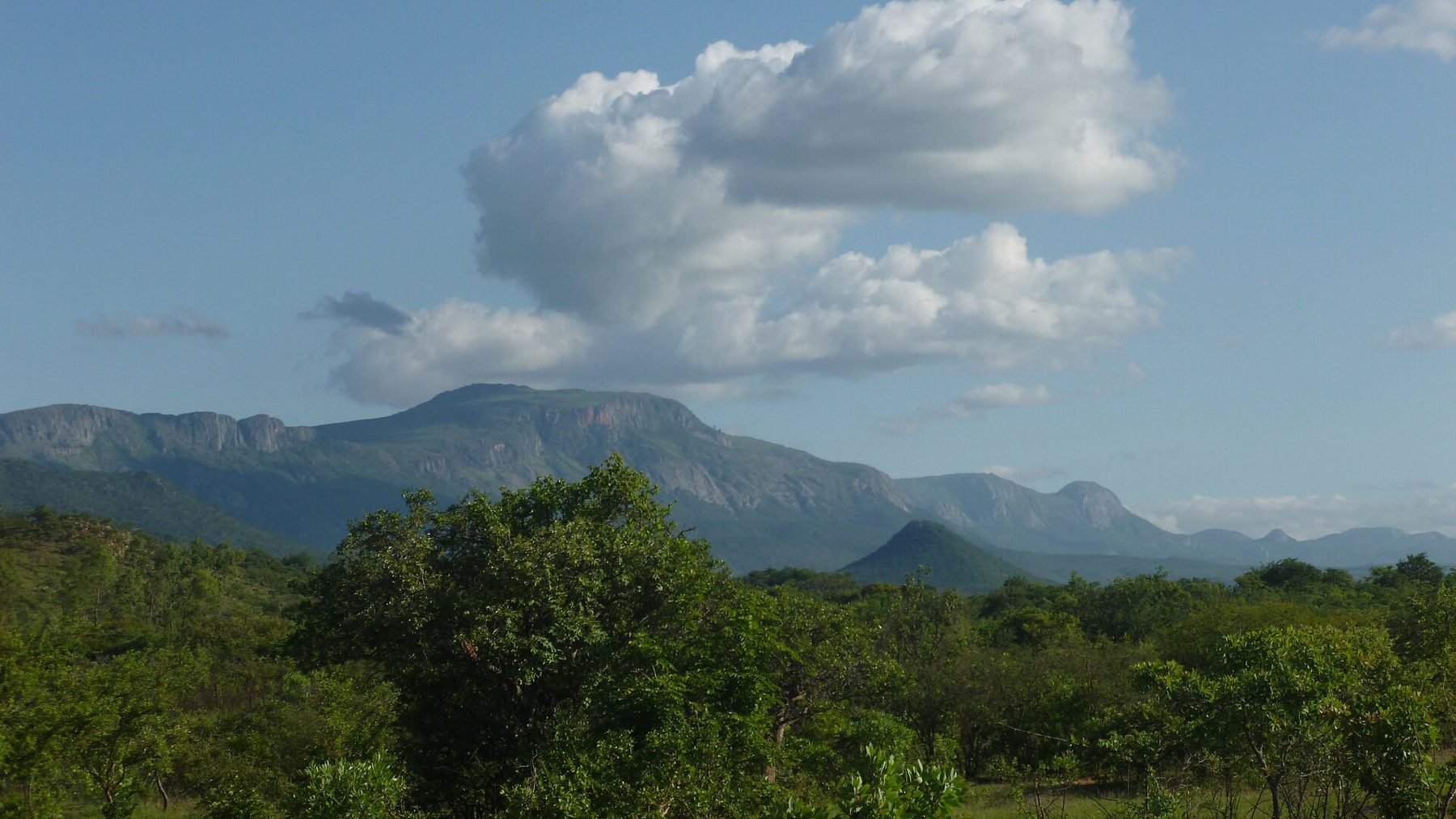
The Eastern Highlands of Zimbabwe are a chain of cool, green mountains along the Mozambique border, made up of Nyanga, Bvumba and Chimanimani. Expect pine forests, waterfalls, hiking and chilly evenings by the fire. From Bulawayo it is roughly 600 km, best split with a night at Great Zimbabwe.
If the rest of Zimbabwe is sunshine and open bush, the Eastern Highlands are a deep breath of cool air. Mist rolls through valleys in the morning. Streams run cold and clear. In the evening, you pull on a jersey, someone lights a fire, and you realise you have not felt this cosy in years.
What makes the Eastern Highlands of Zimbabwe different?
Altitude. These mountains rise well above the rest of the country, so the air is fresher, the rainfall higher and the forests thicker. Farmers grow tea, coffee, avocados and apples on the slopes. It feels like a different country, and yet the warmth of the people is pure Zimbabwe.
There are three main areas, each with its own mood.
| Area | Mood | Highlights |
|---|---|---|
| Nyanga | Wide, open and wild | Mount Nyangani, Mutarazi Falls, trout dams, hill walks |
| Bvumba | Misty, green and gentle | Botanical gardens, forest walks, birdlife, tea |
| Chimanimani | Rugged and remote | Serious hiking, Bridal Veil Falls, mountain views |
Nyanga: the heart of the highlands
Mount Nyangani
Zimbabwe's highest mountain stands at about 2,592 m. The hike to the summit is a steady climb through grassland and rock, and on a clear day the view runs far into Mozambique. But the mountain deserves respect. Mist can arrive in minutes, and walkers have been lost here. Go with a guide, sign the register and turn back if the weather closes in.
Mutarazi Falls
Mutarazi drops hundreds of metres off the edge of the escarpment, one of the tallest waterfalls in Africa. Stand at the viewpoint and look down into the Honde Valley, a vast green bowl far below. It takes your breath away, and then it gives it back slowly.
Slow days
Not every day needs a summit. Fish for trout, walk among the old stone terraces and pit structures left by people who farmed here centuries ago, or simply sit by a dam with a flask of tea. Nyanga rewards doing very little.
Bvumba: the mountains of mist
Near the city of Mutare, the Bvumba is soft, mossy and romantic. Mornings often start in cloud. Walk in the Bvumba Botanical Gardens, listen for forest birds and stop for tea with a view across the border. It is a place for couples, writers, birdwatchers and anyone who needs a quiet weekend. Go slowly on the winding roads, keep an eye out for samango monkeys in the trees, and let the afternoon disappear over a pot of local tea.
Chimanimani: for the adventurous
Further south, the Chimanimani mountains are wild and dramatic. Multi-day hikes cross quartzite ridges and clear pools. Bridal Veil Falls, close to the village, is an easy, lovely visit if you would rather not carry a backpack up a mountain.
How do you get to the Eastern Highlands from Bulawayo?
- Drive east from Bulawayo to Masvingo, about 300 km.
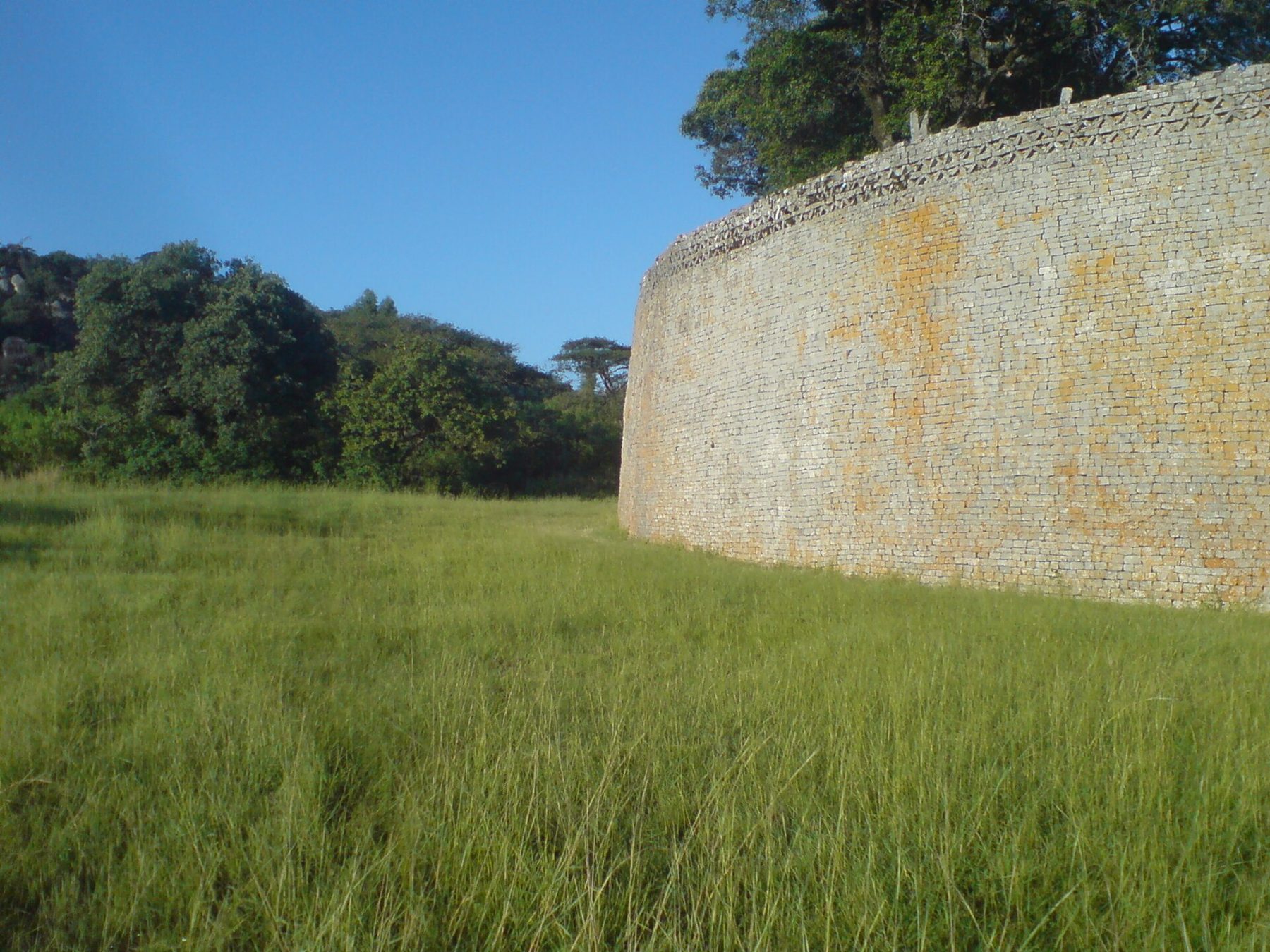
- Spend a night and visit the Great Zimbabwe ruins.
- Continue to Mutare and the Bvumba, around 300 km more.
- Head north to Nyanga or south to Chimanimani from Mutare.
Travel in daylight, fill up with fuel when you can and carry cash for tolls and small purchases. Our practical travel tips cover the basics.
How many days do you need in the Eastern Highlands?
Five days is a good start: two in Nyanga, one in the Bvumba and two in Chimanimani, with time on the road between them. If you only have a long weekend, choose one area and let yourself settle. The highlands are not a place to tick off. They are a place to stay a little longer than you planned.
What to pack for the mountains
- Warm layers, a beanie and a rain jacket, even in summer
- Sturdy walking shoes with good grip
- A torch, as power cuts and dark paths are part of rural life
- Cash for park fees, guides and roadside fruit
What is the best time to visit?
- April to May: clear skies, cool days and autumn colour. Wonderful for hiking.
- June to August: crisp and dry, with cold nights and roaring fires.
- September to October: warmer, with flowering trees and good walking.
- November to March: lush and green, with rain and frequent mist.
Come back to Bulawayo to rest
After the mountains, Bulawayo feels warm and open again. Many travellers end a long circuit with a few quiet nights here before flying out. At BlueRoof in Manningdale, the days are calm and the pool is waiting.
Browse our rooms and suites, plan with our Zimbabwe travel guide, or check availability.
Cover photo: Eastern Highlands near Nyanga, by Seabifar via Wikimedia Commons, CC BY-SA 4.0.
Frequently asked questions
- Where are the Eastern Highlands of Zimbabwe?
- The Eastern Highlands run along Zimbabwe's border with Mozambique, from Nyanga in the north through Bvumba near Mutare to Chimanimani in the south.
- What is the highest mountain in Zimbabwe?
- Mount Nyangani, in Nyanga National Park, is Zimbabwe's highest mountain at about 2,592 m. Weather on the summit changes quickly, so hike with a guide.
- How far are the Eastern Highlands from Bulawayo?
- Mutare and the Bvumba are roughly 600 km from Bulawayo by road. Most travellers break the journey at Great Zimbabwe near Masvingo.
- Is it cold in the Eastern Highlands?
- Yes, compared with the rest of Zimbabwe. Nights from May to August can be close to freezing in Nyanga, so pack warm layers.
Eastern HighlandsNyangaHikingWaterfallsRoad trips
Make BlueRoof your base
Quiet rooms in Manningdale, Bulawayo, with a pool to come home to after a day out.