Traditional Zimbabwean Food: Sadza, Kindness and Eating with Your Hands
A plate of sadza, a bowl passed for washing hands and a table full of laughter. A visitor's guide to traditional Zimbabwean food and the manners that go with it.
By BlueRoof · 29 October 2026 · 4 min read
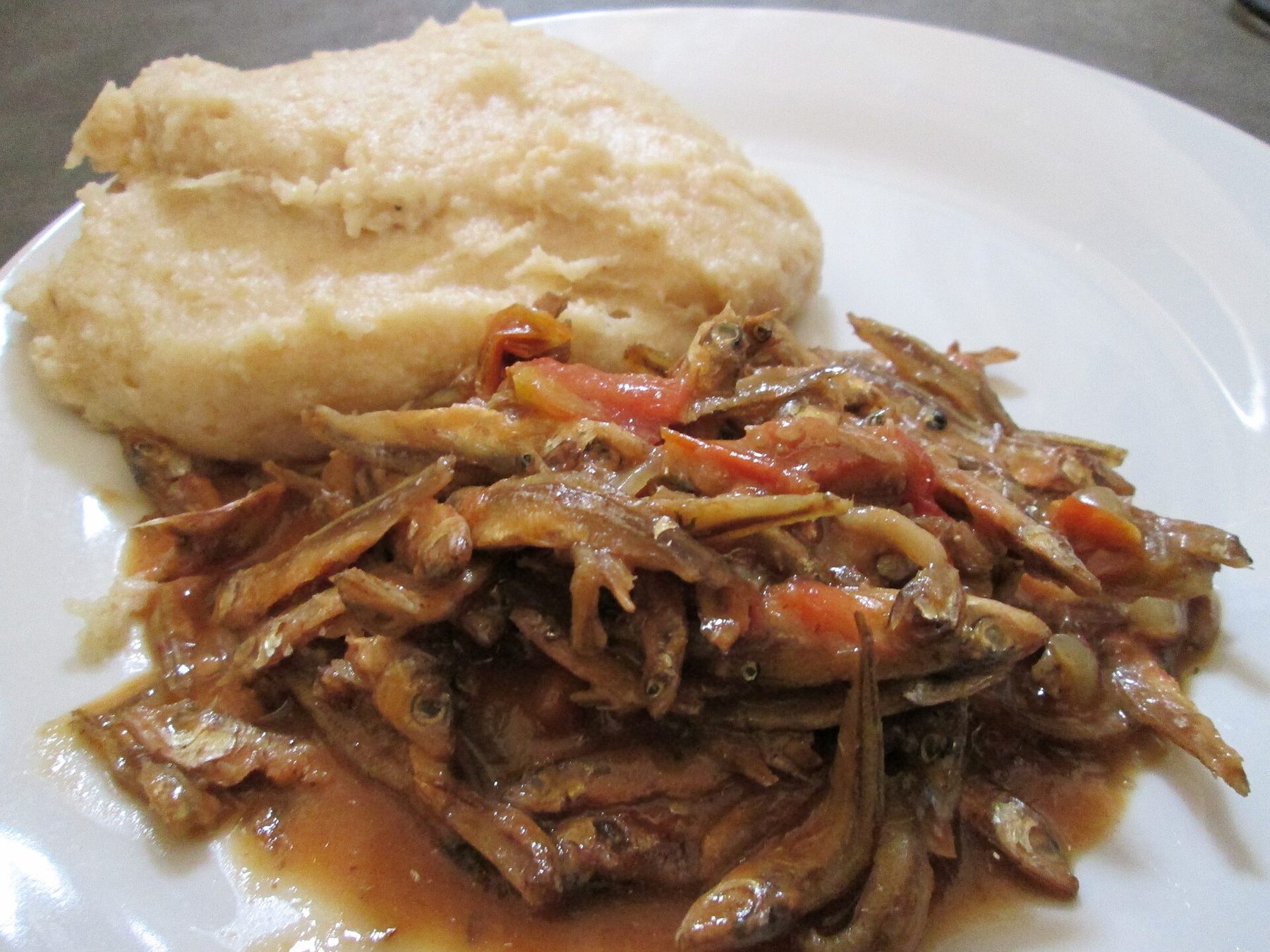
Traditional Zimbabwean food centres on sadza, a thick maize-meal porridge eaten by hand with a relish of meat, greens, beans or small kapenta fish. Try it with the people who cook it, wash your hands before you eat, and use your right hand. A plate of sadza is the easiest way to feel at home in Zimbabwe.
Food in Zimbabwe is not fussy. It is honest, filling and made to be shared. What stays with visitors is rarely the recipe. It is the moment someone passes you a bowl of warm water to wash your hands, pulls up a chair and says, "Come, eat."
What is sadza?
Sadza is the heart of almost every Zimbabwean meal. White maize meal is cooked slowly with water and stirred hard with a wooden spoon until it becomes thick and smooth. It sounds simple, and it is. But making good sadza takes strength and years of practice, and every family will tell you theirs is best.
In Bulawayo and across Matabeleland, you will often hear it called isitshwala, its Ndebele name. In Shona-speaking areas it is sadza. Either word will earn you a smile.
How do you eat sadza properly?
Here is the gentle, traditional way.
- Wash your hands. A bowl of water is often brought to the table before the meal.
- Use your right hand only.
- Pinch off a small piece of sadza and roll it into a ball in your palm.
- Press a dent into it with your thumb.
- Use that little hollow to scoop up the relish.
Nobody expects a visitor to get it right the first time. Laugh, try again, and you will have made friends before the plate is empty. Traditionally, the eldest at the table starts eating first, and it is polite to wait. Sharing from one plate is common in families, so take from the side nearest you.
What do Zimbabweans eat with sadza?
Sadza is always served with a relish, called usavi in Shona. These are the ones you are most likely to meet.
| Relish | What it is |
|---|---|
| Nyama | Slow-cooked beef, goat or chicken stew |
| Muriwo | Greens such as covo or rape, cooked with onion and tomato |
| Dovi | Greens or chicken in a rich peanut butter sauce |
| Kapenta | Small dried fish from Lake Kariba, fried with tomato and onion |
| Beans | Sugar beans stewed until soft and comforting |
Kapenta, pictured above, comes from the night-time fishing boats on Lake Kariba. Salty, crisp and full of flavour, it is a favourite all over the country.
What other traditional Zimbabwean food should you try?
Mopane worms
Dried caterpillars of the emperor moth, known as madora in Shona and amacimbi in Ndebele. Fried until crunchy, they taste earthy and a little smoky. Be brave once. You may surprise yourself.
Roasted maize
In the rainy season, roadside cooks roast fresh maize cobs over open coals. Eating one warm, with smoke still in the air, is one of life's small joys. Hand over a coin, wait while it chars a little more, and eat it standing up.
Maputi and peanuts
Popped maize kernels and roasted peanuts, sold in little bags. Perfect for long road trips to Hwange or Victoria Falls.
Wild fruit
Look out for seasonal treats such as mazhanje, the wild loquat, sold by the roadside late in the year, and the hard-shelled baobab fruit with its tangy, chalky pulp.
What do Zimbabweans drink?
Tea comes first, usually strong, with plenty of milk and sugar, and it is offered to guests almost everywhere. Look out too for maheu, a thick, slightly sour drink made from fermented maize, sold cold in shops and loved by children and builders alike. And then there is Mazoe, the bright orange cordial that every Zimbabwean seems to have grown up with. Mix it with cold water on a hot afternoon and you will understand why people living abroad pack bottles of it in their suitcases.
A few words that open hearts
Zimbabwe recognises 16 official languages, but Ndebele and Shona are the most widely spoken. In Bulawayo, Ndebele is everywhere.
- Salibonani — hello, said respectfully (Ndebele)
- Linjani? — how are you? (Ndebele)
- Ngiyabonga — thank you (Ndebele)
- Mhoro or Mangwanani — hello, or good morning (Shona)
- Ndatenda — thank you (Shona)
Receiving something with both hands, or with your left hand gently touching your right arm, is a lovely sign of respect.
Taste Zimbabwe from Bulawayo
Bulawayo is a wonderful place to eat like a local. Ask our reception team where to find good isitshwala this week; they always have an opinion, and it is usually right. Then read our Zimbabwe travel guide to plan where your appetite takes you next.
Rest between adventures at BlueRoof in quiet Manningdale. Browse our rooms and suites or check availability.
Cover photo: Kapenta and sadza, by Simz711 via Wikimedia Commons, CC BY-SA 4.0.
Frequently asked questions
- What is the national dish of Zimbabwe?
- Sadza is Zimbabwe's staple and best-loved food. It is a thick maize-meal porridge eaten with a relish such as meat stew, greens, beans or kapenta.
- How do you eat sadza?
- Wash your hands, then use your right hand to pinch off a small piece of sadza, roll it into a ball, press a dent with your thumb and scoop up some relish.
- What is sadza called in Ndebele?
- In Ndebele, spoken widely in Bulawayo and Matabeleland, sadza is called isitshwala. In Shona it is called sadza.
- Are mopane worms safe to eat?
- Yes. Mopane worms are a nutritious, protein-rich traditional food, usually dried and then fried or stewed. They are crunchy, earthy and well worth trying once.
FoodCultureSadzaTravel advice
Make BlueRoof your base
Quiet rooms in Manningdale, Bulawayo, with a pool to come home to after a day out.