Lake Kariba: Sunsets, Drowned Forests and the Slowest Days in Zimbabwe
Still water, bare trees standing in the lake and skies that burn orange every evening. Why Lake Kariba slows people down, and how to plan your visit.
By BlueRoof · 29 October 2026 · 4 min read
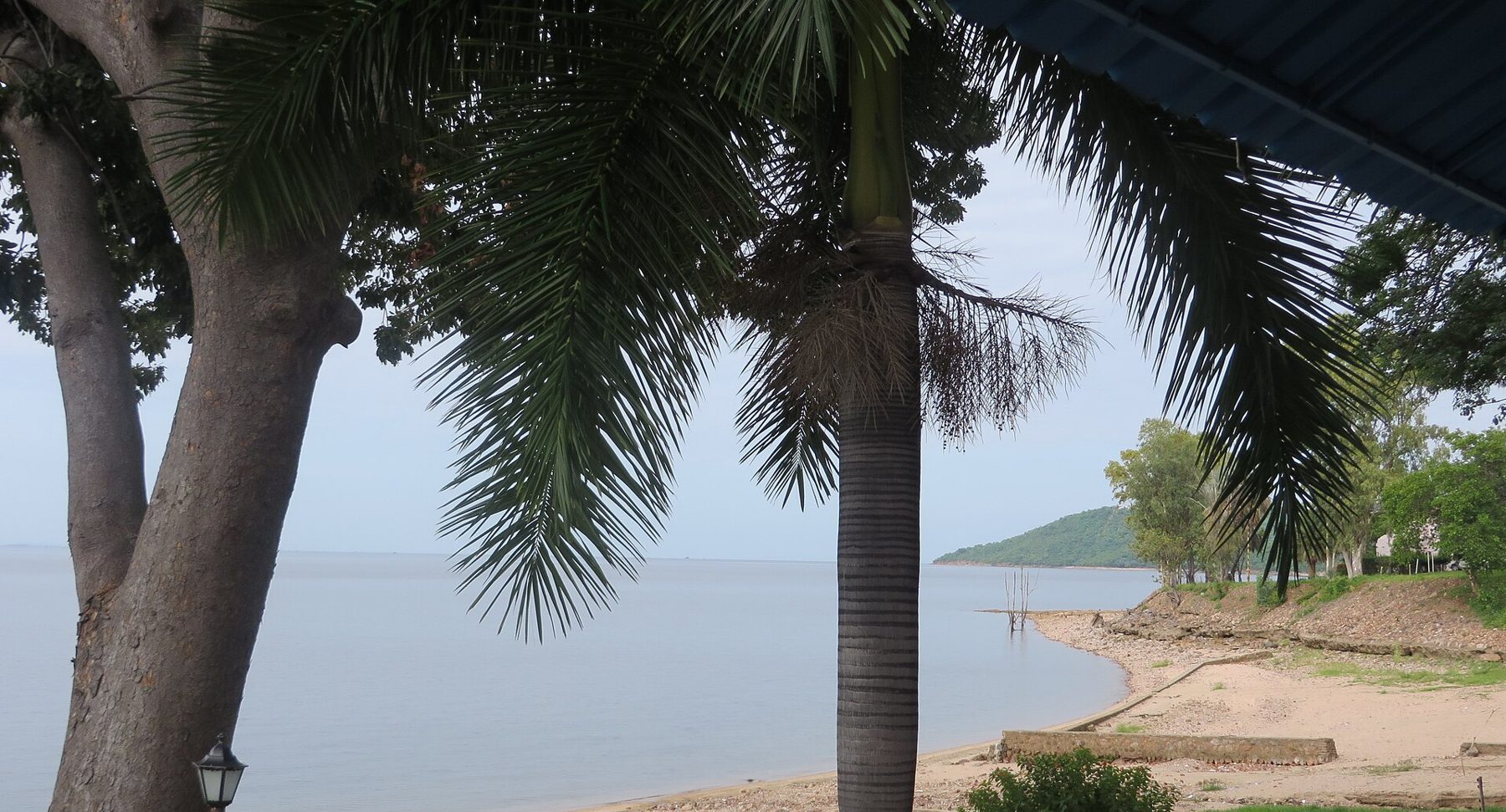
Lake Kariba is one of the world's largest man-made lakes, stretching more than 220 km along the Zambezi on Zimbabwe's border with Zambia. Come for sunsets behind drowned trees, elephants on the shore and lazy houseboat days. Visit from May to October for dry weather and the best wildlife viewing.
Nobody hurries at Kariba. Within an hour of arriving, your shoulders drop. Within a day, you have stopped checking the time. The water is so wide that the far shore disappears, and in the evening the whole sky turns the colour of apricots and then fire.
Why is Lake Kariba so special?
Kariba was created when the Kariba Dam was built across the Zambezi River in the late 1950s. As the water rose, it flooded a vast valley. Whole forests were drowned, and many of those trees still stand today, bleached and bare, their branches reaching out of the water. At sunset they become silhouettes, and it is one of the most haunting sights in Africa.
The flooding also displaced the BaTonga people who lived along the river. Their river spirit, Nyami Nyami, is still honoured around the lake, and you will see carvings of him in every craft market. Ask about him. People love to tell the story.
The Zambezi River Authority, which runs the dam today, shares background on the lake and its water levels.
How do you get to Lake Kariba from Bulawayo?
Kariba is a big lake, so the answer depends on which end you choose.
- Western end (Binga and Mlibizi): reached by road from Bulawayo off the Victoria Falls road. It is quiet, remote and deeply local.
- Eastern end (Kariba town): usually reached through Harare by road, or by a flight. This is where most houseboats and lodges are based.
- Combined trip: many travellers pair Kariba with Hwange and Victoria Falls, using Bulawayo as their first and last stop.
Whichever way you go, carry cash for small purchases, fill up with fuel whenever you can and travel in daylight.
What can you do on Lake Kariba?
Spend a few days on a houseboat
This is the classic Kariba experience. You drift along the shore, fish for tigerfish, watch elephants come down to drink and eat dinner on deck under more stars than seem possible. Most trips last two to four nights.
Visit Matusadona National Park
On the southern shore, Matusadona's rugged hills drop straight to the water. Game drives, boat safaris and walks with guides reveal elephant, buffalo, hippo, lion and a dazzling variety of birds.
Watch the kapenta boats at night
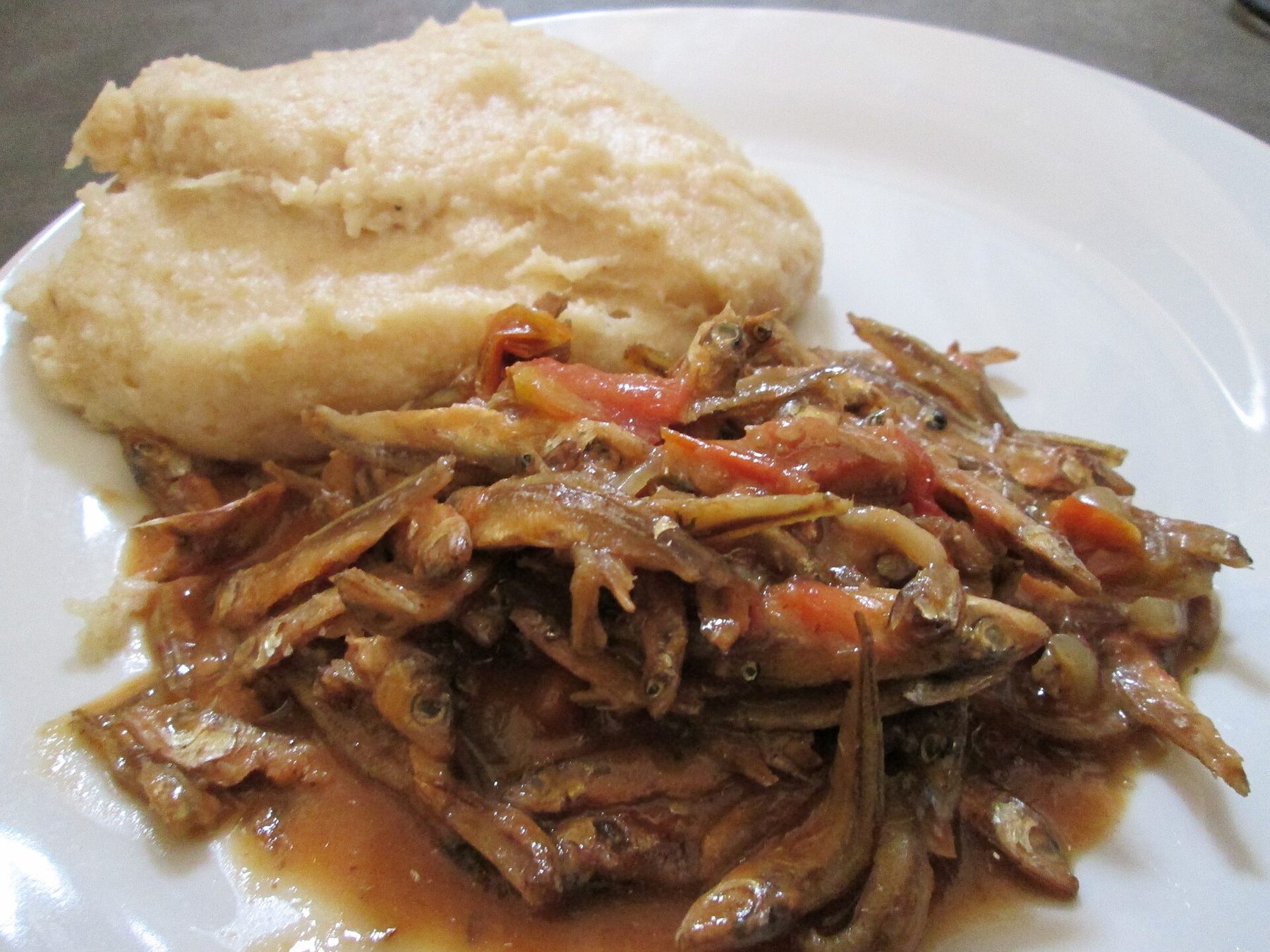
After dark, lights appear across the water like a floating village. These are kapenta fishing rigs, catching the small sardine-like fish that end up on dinner plates all over Zimbabwe. Our guide to traditional Zimbabwean food explains how to eat them.
Watch the sunset from Kariba town
If you are not on a boat, find a high spot in Kariba town in the late afternoon. The views over the lake from the hills are wide and golden. You can also see the dam wall itself, a curved sweep of concrete holding back one of the largest bodies of water on the continent. It is hard not to feel small, in the best way.
How long should you stay at Lake Kariba?
Give it at least three nights. The first day is for arriving and letting go. The second is for the lake itself: a boat trip, a game drive or simply a long afternoon watching elephants feed along the shore. By the third day you are moving at Kariba pace, and that is when the place really opens up. If you are on a houseboat, four nights is a gift.
When is the best time to visit Lake Kariba?
| Months | What to expect |
|---|---|
| May to August | Dry, warm days and cool nights. Excellent for game viewing. |
| September to October | Very hot, often above 35°C. Animals gather at the shoreline. |
| November to April | Rainy season. Green hills, big storms and fewer visitors. |
Staying safe around the lake
- Never swim in the lake. Crocodiles and hippos are common.
- Keep a respectful distance from elephants, especially on foot.
- Drink plenty of water. The heat in October is serious.
- Use insect repellent in the evening, and speak to a travel clinic about malaria before you go.
Start your journey in Bulawayo
Kariba asks you to slow down, and so does Bulawayo. Many guests spend a night or two with us before a long drive north, and come back afterwards to rest before flying home.
At BlueRoof in Manningdale, you can sleep deeply, swim in the BlueRoof Pool By U and plan the next part of your trip. Browse our rooms and suites, read our Zimbabwe travel guide, or check availability.
Cover photo: Lake Kariba shoreline, by Suesen via Wikimedia Commons, CC BY-SA 3.0, cropped.
Frequently asked questions
- Where is Lake Kariba?
- Lake Kariba lies on the Zambezi River along Zimbabwe's northern border with Zambia. It stretches more than 220 km from Mlibizi and Binga in the west to Kariba town in the east.
- How do you get to Lake Kariba from Bulawayo?
- The western shore at Binga and Mlibizi is reached by road off the Victoria Falls road. Kariba town in the east is usually reached via Harare by road or by air.
- Can you swim in Lake Kariba?
- No. Lake Kariba is home to crocodiles and hippos, so swimming in the lake is not safe. Use a pool on a houseboat or at your accommodation instead.
- What is the best time to visit Lake Kariba?
- May to October is dry, with excellent game viewing on the shoreline. September and October are very hot, while the rains from November bring green hills and dramatic storms.
Lake KaribaHouseboatsWildlifeZambezi
Make BlueRoof your base
Quiet rooms in Manningdale, Bulawayo, with a pool to come home to after a day out.