Khami Ruins: A Quiet Afternoon in a Lost Stone City
Just 22 km from Bulawayo, terraced stone walls rise out of the bush. A gentle guide to the Khami Ruins and the stillness that waits there.
By BlueRoof · 28 October 2026 · Updated 29 October 2026 · 4 min read
The Khami Ruins are a UNESCO-listed stone city about 22 km west of Bulawayo, built from the 15th century as a royal capital. Plan two to three quiet hours there, go in the late afternoon, and bring water. You will probably have the place almost to yourself.
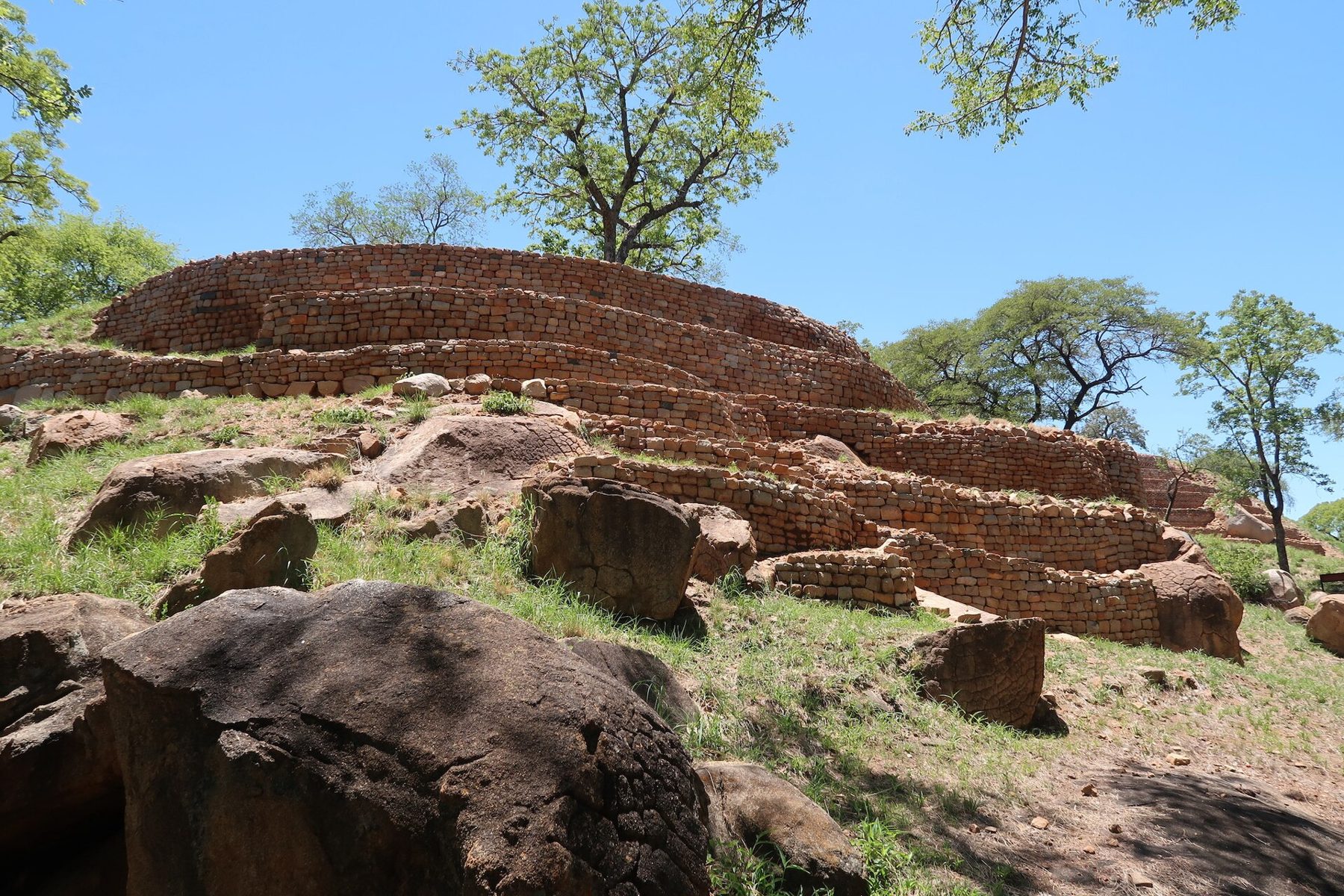
There is a particular kind of silence at Khami. It is not empty. It is full of birdsong, the dry rustle of grass and the warm tick of granite cooling in the sun. You walk up a path, turn a corner, and suddenly the walls are there: curved terraces of fitted stone, patterned and patient, rising out of the bush as if they have been waiting for you.
What are the Khami Ruins?
Khami was the capital of the Torwa state, which rose after Great Zimbabwe declined in the mid-1400s. For around two centuries it was a busy, important place. The kings lived on the high Hill Complex, while ordinary people lived on the lower ground nearby.
The builders did something beautiful here. Rather than freestanding walls, they built stone retaining walls and filled them in to create raised platforms. Many of the walls carry decorative bands of chequer, herringbone and cord patterns. Stand close and run your eye along them. Someone chose every one of those stones.
Archaeologists have found Chinese porcelain and European objects at Khami, a quiet reminder that this hilltop in Matabeleland was once linked to trade across the Indian Ocean. You can read more in the UNESCO listing for Khami.
How do you get to the Khami Ruins from Bulawayo?
The drive is short and easy, which is part of Khami's charm.
- Distance: about 22 km west of the city
- Driving time: roughly 30 minutes
- Road: tarred most of the way, with a short final stretch that can be bumpy after rain
- Getting there without a car: ask our reception team to suggest a trusted driver for the afternoon
Because it is so close, Khami fits neatly into a slow day. Have a lazy morning, eat an early lunch, and set off once the worst of the midday heat has passed.
What to see at Khami
The Hill Complex
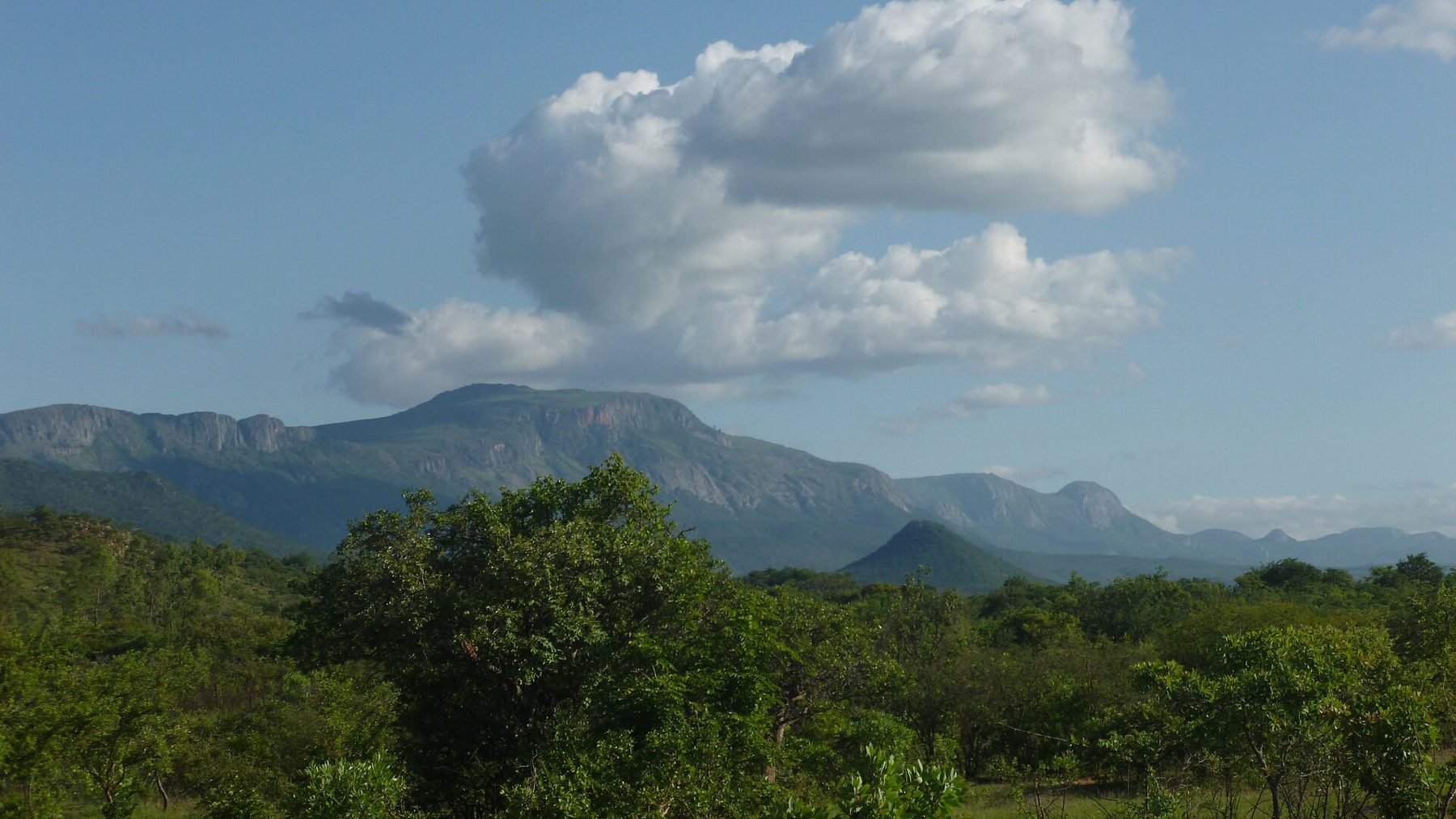
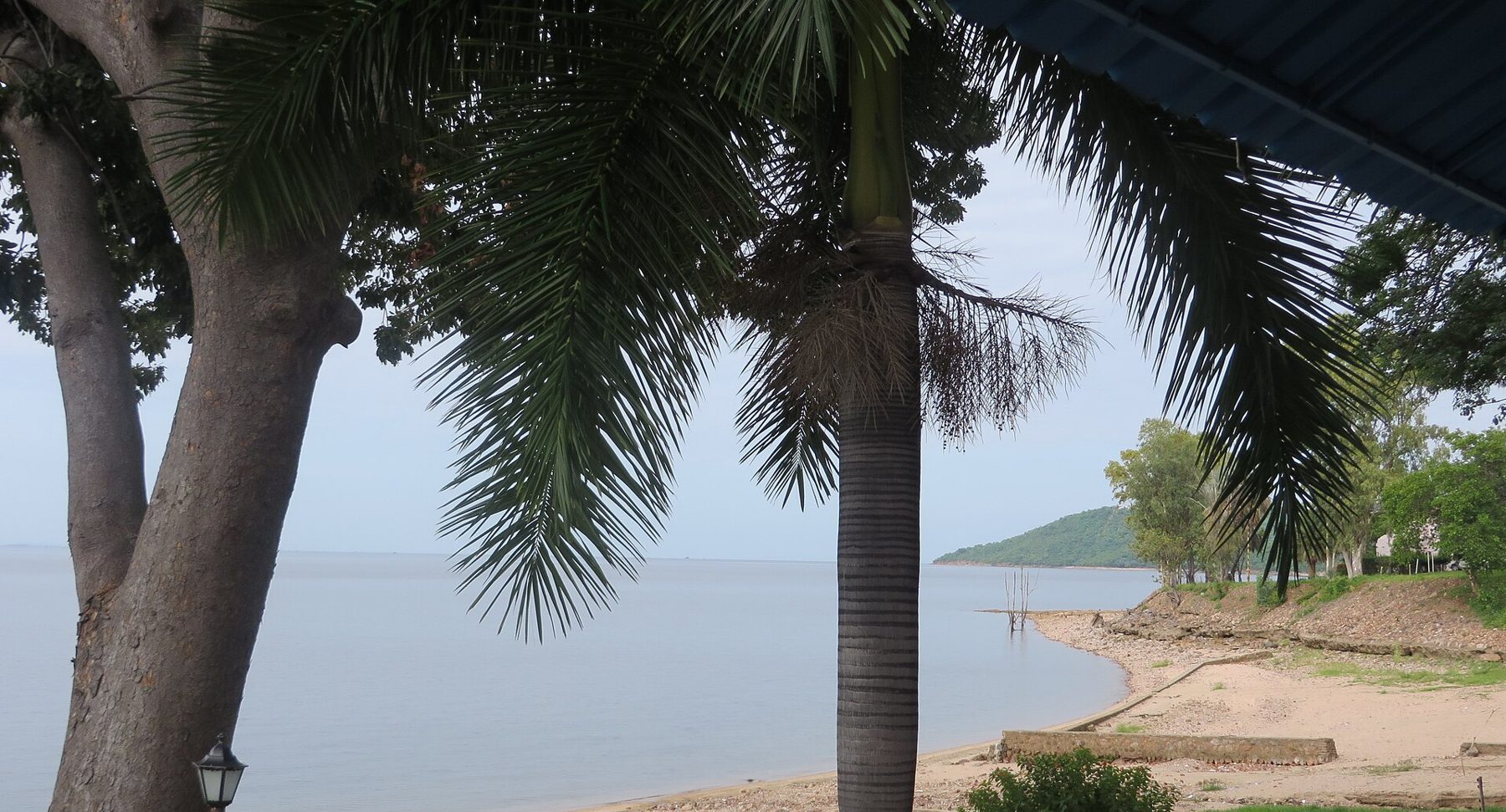
This is the heart of the site, where the ruling family lived. Climb slowly. From the top, the view opens over the Khami River valley and the dam, and the bush rolls away in soft, olive-green waves. This is where most visitors go quiet without meaning to.
The decorated platforms
Look for the long walls with chequered patterns. They are some of the finest stonework of their kind in southern Africa. Morning and late afternoon light picks out the texture best, so time your visit for the low sun if you can.
The site museum
The small museum near the entrance is worth twenty minutes. It helps the walls make sense, and it gives you a picture of daily life here: cattle, trade, ceremony and family.
When is the best time to visit Khami?
Late afternoon, almost any time of year. The heat eases, the stone glows gold, and the shadows give the patterns depth.
| Season | What to expect at Khami |
|---|---|
| April to August | Dry, clear and comfortable. Ideal for walking. |
| September to October | Hot middays. Go after 3 pm. |
| November to March | Green and lush, with afternoon storms. Go earlier in the day. |
A few gentle tips
- Wear proper shoes. The granite paths are uneven and can be slippery.
- Carry more water than you think you need.
- Do not climb on the walls. They have stood for 500 years and deserve to stand for 500 more.
- Leave time to simply sit. Khami is best felt, not rushed.
Is Khami good for children?
Yes, with a little planning. Children love the sense of discovery: the hidden stairways, the patterned walls and the lizards sunning themselves on the stones. Keep visits short for little ones, hold hands on the upper terraces, where some drops are steep, and make a game of spotting the chequer patterns. A picnic in the shade at the end makes the whole outing feel like an adventure, and older children often come away with questions about history that last for weeks.
Pairing Khami with the rest of Bulawayo
Khami makes a lovely companion to a city day. Spend the morning at the Natural History Museum, then drive out to the ruins in the afternoon. Our guide to things to do in Bulawayo has more ideas. If you have another day, the Matobo Hills are about 35 km south, with granite, rock art and World's View.
And if Khami stirs something in you, as it does for many people, you may want to see where the story began. Our guide to Great Zimbabwe follows that road.
Coming home after Khami
There is something lovely about driving back into Bulawayo as the light fades, dusty and a little sun-warmed, with your head full of old stone. At BlueRoof, in quiet Manningdale, the pool is waiting and the evening is yours.
Browse our rooms and suites, take a look around the gallery, or check availability for your dates.
Cover photo: Khami Ruins main platform, by Robert Stewart Burrett via Wikimedia Commons, CC BY-SA 4.0.
Frequently asked questions
- How far are the Khami Ruins from Bulawayo?
- The Khami Ruins are about 22 km west of Bulawayo, roughly a 30-minute drive. It makes an easy half-day trip.
- Are the Khami Ruins a UNESCO World Heritage Site?
- Yes. Khami Ruins National Monument was listed by UNESCO in 1986, the same year as Great Zimbabwe.
- How long do you need at the Khami Ruins?
- Two to three hours is enough to walk the main platforms, climb the Hill Complex and visit the small site museum without rushing.
- What should I bring to the Khami Ruins?
- Bring water, a hat, sunscreen and comfortable shoes. There is little shade on the upper terraces, and the paths are uneven granite.
Khami RuinsDay tripsUNESCOHistory
Make BlueRoof your base
Quiet rooms in Manningdale, Bulawayo, with a pool to come home to after a day out.