Things to Do in Bulawayo: A Slow Guide to the City of Kings
Jacarandas, wide avenues and an old-fashioned dignity. The best things to do in Bulawayo when you give the City of Kings time.
By BlueRoof · 24 October 2026 · 4 min read
The best things to do in Bulawayo are unhurried ones: wander the wide colonial-era streets of the city centre, spend a morning at the Natural History Museum, explore the ancient Khami Ruins just outside town and finish the day with a long, quiet dinner. Bulawayo rewards people who slow down.
Zimbabwe's second city has a nickname that suits it: the City of Kings. It carries itself with an easy, old-fashioned dignity. Jacarandas bloom purple along the avenues in spring, people greet you properly, and nobody seems in a hurry to be anywhere else.
Why is Bulawayo called the City of Kings?
The name comes from its history as the royal seat of the Ndebele kingdom under King Lobengula. Today Bulawayo is the cultural heart of Matabeleland and the gateway to some of Zimbabwe's most remarkable places, from the Matobo Hills to Hwange and Victoria Falls.
Things to do in Bulawayo city
Walk the city centre
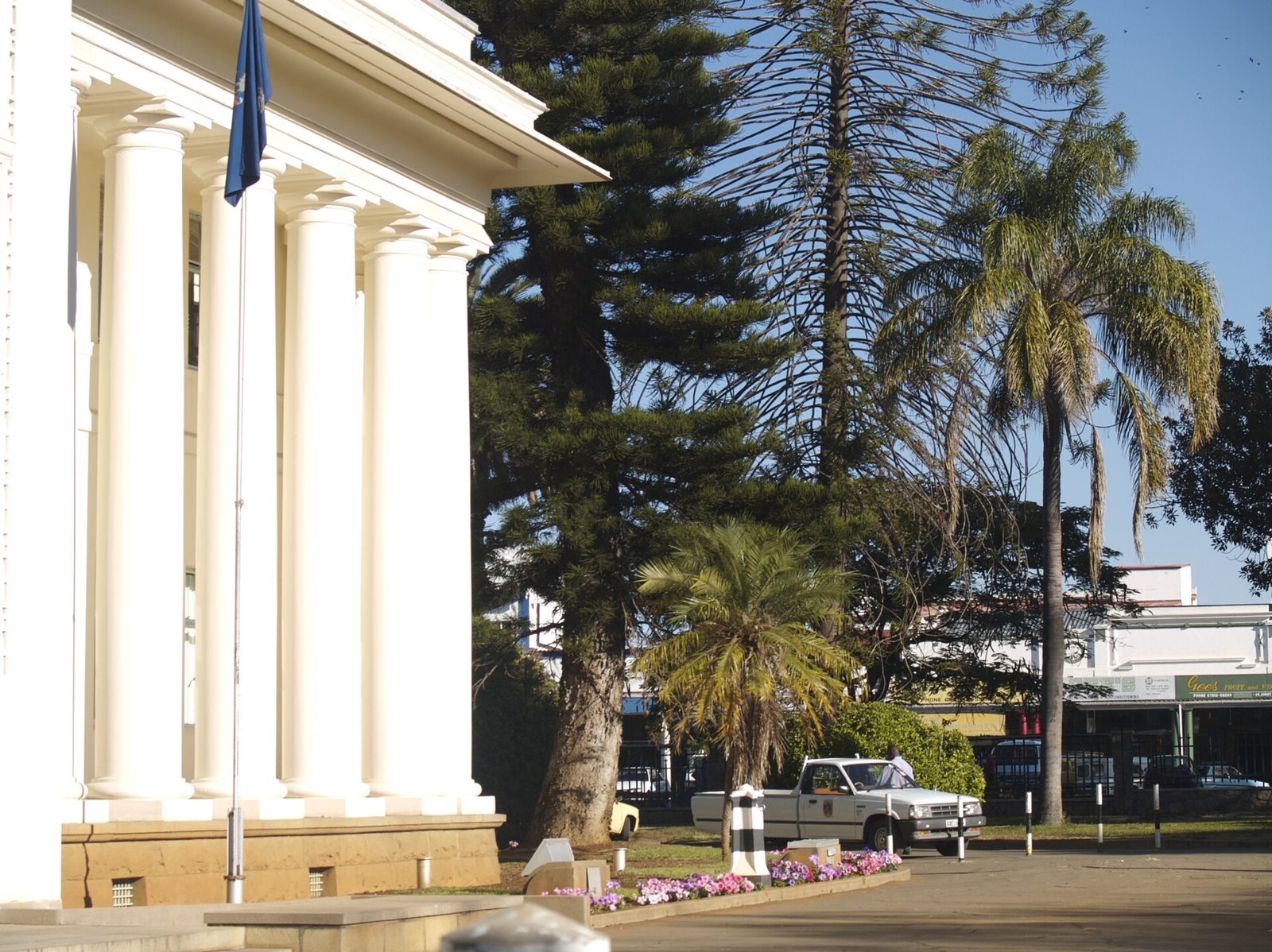
Bulawayo's streets are famously wide, said to have been laid out so a full span of oxen could turn in them. Stroll past City Hall, pictured above, with its white columns and tall Norfolk pines, then look up at the verandas, cast-iron details and Art Deco facades that line the older blocks. Early morning, when the light is gold and the city is just waking, is the loveliest time.
Spend a morning at the Natural History Museum
The Natural History Museum of Zimbabwe, in Centenary Park, is one of the most impressive museums in the region. Its halls of mammals, minerals and ancient history are a joy for curious adults and children alike. Give yourself at least two hours.
Visit the Bulawayo Railway Museum
Bulawayo grew up around the railway, and the museum tells that story with beautifully kept steam locomotives and carriages, including historic coaches you can step inside. Train lovers will lose a whole afternoon here, and nobody will mind. Even if you are not a train person, there is something moving about these old engines, built for a journey that once linked Bulawayo to the rest of the continent.
See local art
The National Gallery in Bulawayo, housed in a graceful heritage building in the city centre, shows contemporary Zimbabwean artists alongside temporary exhibitions. Nearby craft markets and studios are the best place to find carving, basketry and textiles to take home. Buy directly from the maker when you can.
Day trips close to Bulawayo
Some of the region's best experiences are less than an hour away.
| Destination | Roughly how far | Why go |
|---|---|---|
| Khami Ruins | About 22 km west | A UNESCO-listed stone city built centuries ago, quiet and atmospheric |
| Matobo Hills | About 35 km south | Granite landscapes, rock art, rhino and World's View |
| Tshabalala Sanctuary | On the edge of the city | Gentle walks and rides among zebra, giraffe and antelope |
The Khami Ruins (UNESCO listing) are often overlooked, which is exactly why you should go. Stone terraces rise from the bush above the Khami River, and on a still afternoon you can sit on the warm walls and have the whole place almost to yourself.
What is the best time to visit Bulawayo?
Bulawayo sits high on the plateau, at about 1,350 metres, which keeps the climate pleasant for most of the year.
- April to August: dry, sunny days and crisp nights. June and July evenings are cold enough for a jumper and an early night under heavy blankets.
- September to October: warm and dry, with jacarandas in bloom across the city.
- November to March: the rainy season, with dramatic afternoon storms, greener hills and warm evenings.
An evening in Bulawayo
Evenings here are gentle. The heat goes out of the day quickly on the plateau, and the sky does something extraordinary just before the sun drops: pink, then apricot, then a deep, clear blue. It is the hour for a slow drink, a long conversation and a meal that nobody rushes. Ask our reception team where locals are eating this month; recommendations change, and they always know.
How long should you stay in Bulawayo?
Two nights lets you see the city and visit either Matobo or Khami. Three or four nights gives you both, plus time to do very little at all, which is a pleasure too often skipped. If you are heading on to Hwange and Victoria Falls, Bulawayo is the natural first stop.
Your quiet base in the City of Kings
BlueRoof sits in peaceful Manningdale, away from the noise but close enough to the city to explore easily. Come back from a day of museums and ruins, swim in the pool, and let the evening go slowly.
Browse our rooms and suites, see BlueRoof in the gallery, or check availability for your dates. Our reception team is always happy to suggest drivers, guides and places to eat.
Cover photo: Bulawayo City Hall, by Scott Wheeler via Wikimedia Commons, CC BY 3.0.
Frequently asked questions
- What is Bulawayo known for?
- Bulawayo is known as the City of Kings. It is Zimbabwe's second city, famous for its wide streets, heritage buildings, museums and closeness to the Matobo Hills.
- How many days do you need in Bulawayo?
- Two nights covers the city and one day trip. Three or four nights lets you visit both the Matobo Hills and the Khami Ruins at an easy pace.
- What are the best day trips from Bulawayo?
- The Matobo Hills, about 35 km south, and the Khami Ruins, about 22 km west, are the most rewarding. Tshabalala Sanctuary is on the city's edge.
- What is the weather like in Bulawayo?
- Bulawayo sits at about 1,350 metres, so days are pleasant most of the year. June and July nights are cold, and November to March brings afternoon storms.
BulawayoCity guideMuseumsKhami Ruins
Make BlueRoof your base
Quiet rooms in Manningdale, Bulawayo, with a pool to come home to after a day out.